
Be genius, think dysferent!
A new space for dyslexia and learning differences – practical and unlike anything you’ve seen before.




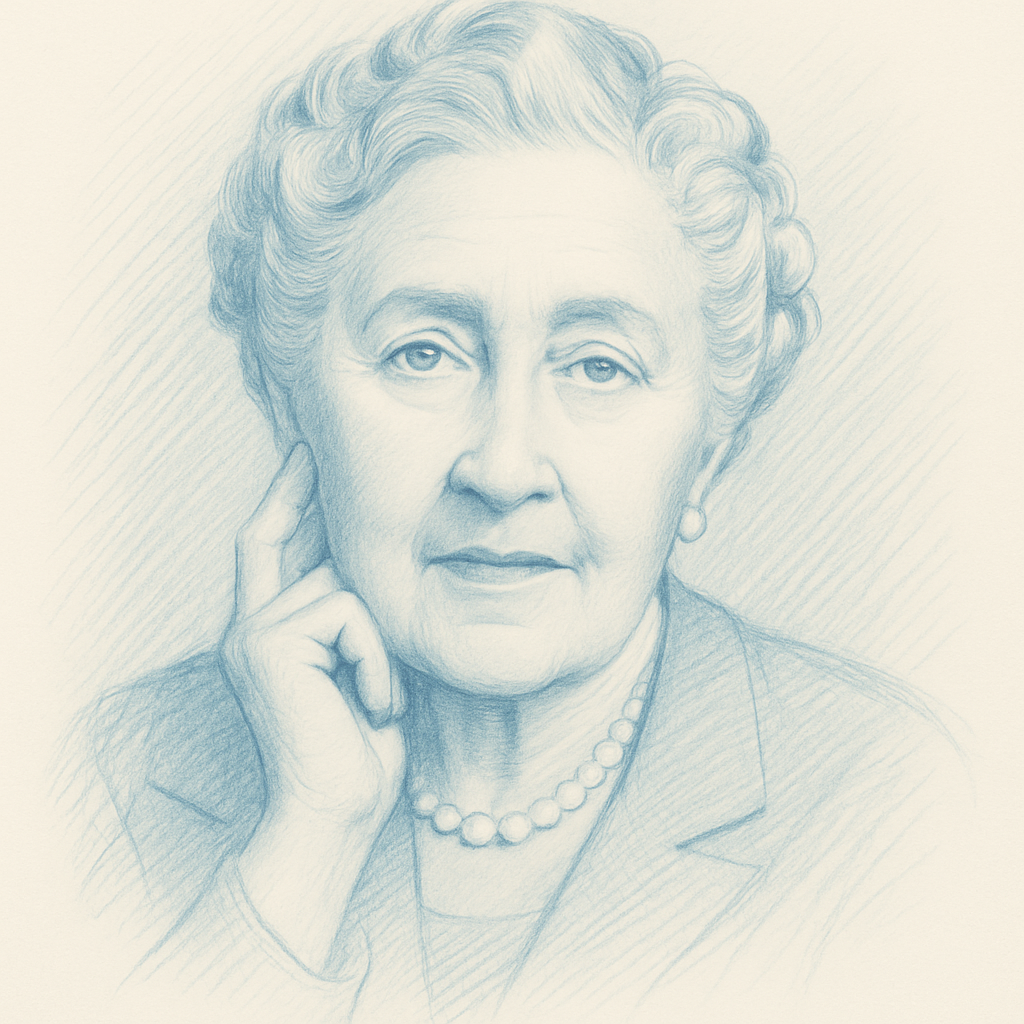


From Leonardo’s lines to Disney’s dreams, from Einstein’s ideas to a bright engineer-to-be… dyslexia becomes a journey of discovery.
Dysferent begins as a blank page.
Your story is the ink that brings it to life.
A space shaped by real experiences — from families, students, teachers and tutors — one story at a time.
Your experience starts here.
Alongside real stories, Dysferent offers practical tools and strategies you can use right away — from visual supports to ideas that make learning clearer and more manageable.
Every learning journey has three sides: home, school, and what happens inside.
This space will grow through real stories. If you’d like to add yours, you can share it here: you’ll find simple guidance before you begin.
These three areas reflect the themes that most often emerge when families, students and tutors share their everyday experiences — at home, at school, and inside their feelings.
At home
Homework moments, routines, struggles and small discoveries, everyday life with learning differences.
EXPLOREAt school
Classroom expectations, support gaps, strategies that work (and those that don’t), the reality of learning at school.
EXPLOREInside their feelings
Frustrations, pride, fears and resilience, how children live learning from the inside out.
EXPLOREDiscover what’s new at Dysferent
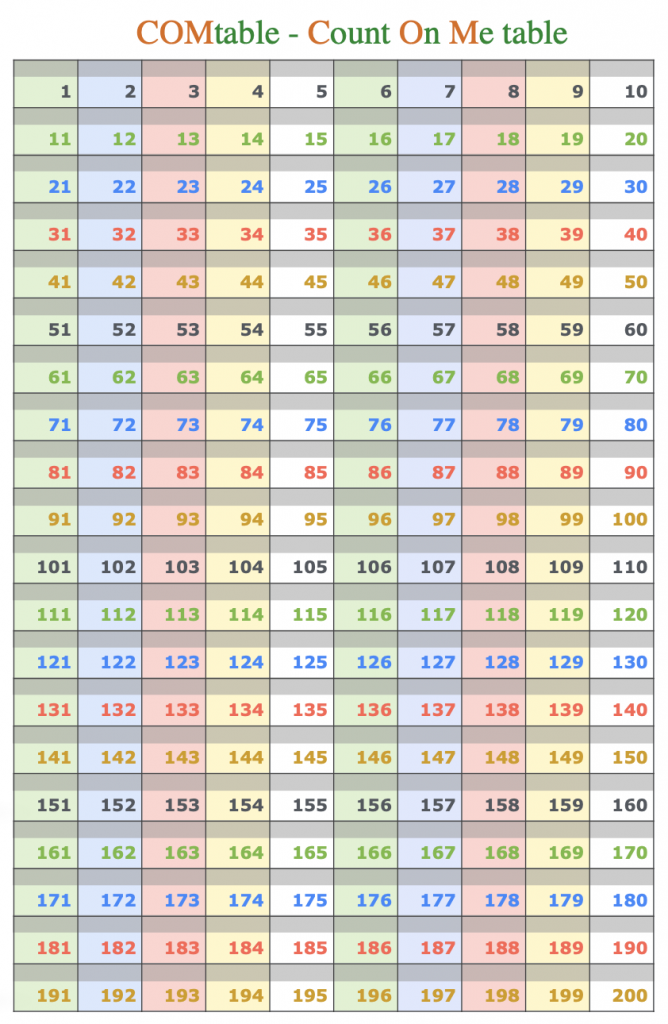
COMtable – Count On Me table
A colour-coded tool that makes addition and subtraction clear and organised.
Its visual structure is particularly effective for pupils who struggle with place-value alignment, working-memory load, or early calculation strategies, offering reliable scaffolding for both classroom and home learning.
Follow our reflections
Through articles, we address real situations, questions, and observations from everyday learning experiences.
They explore themes related to dyslexia and learning difficulties, focusing on meaning, process, and long term development, and on practical strategies that help students build an effective study method over time.
When reading is not automatic, meaning takes a back seat.
(Why reading fluency matters, and why time is not the enemy).
When writing uses all the brain: why automaticity matters.
(Why writing can block thinking when ideas move faster than the hand).
When listening becomes a foundation for learning.
(Why listening matters for learning over time).
A simple strategy, a huge difference.
(How a small structural change can make a maths task manageable, and reveal what the student knows).